
Herb plants needs proper sunlight for best harvest.Do spray once in 15 days neem spray to protect from pest attack.Shared images are for visual representation.
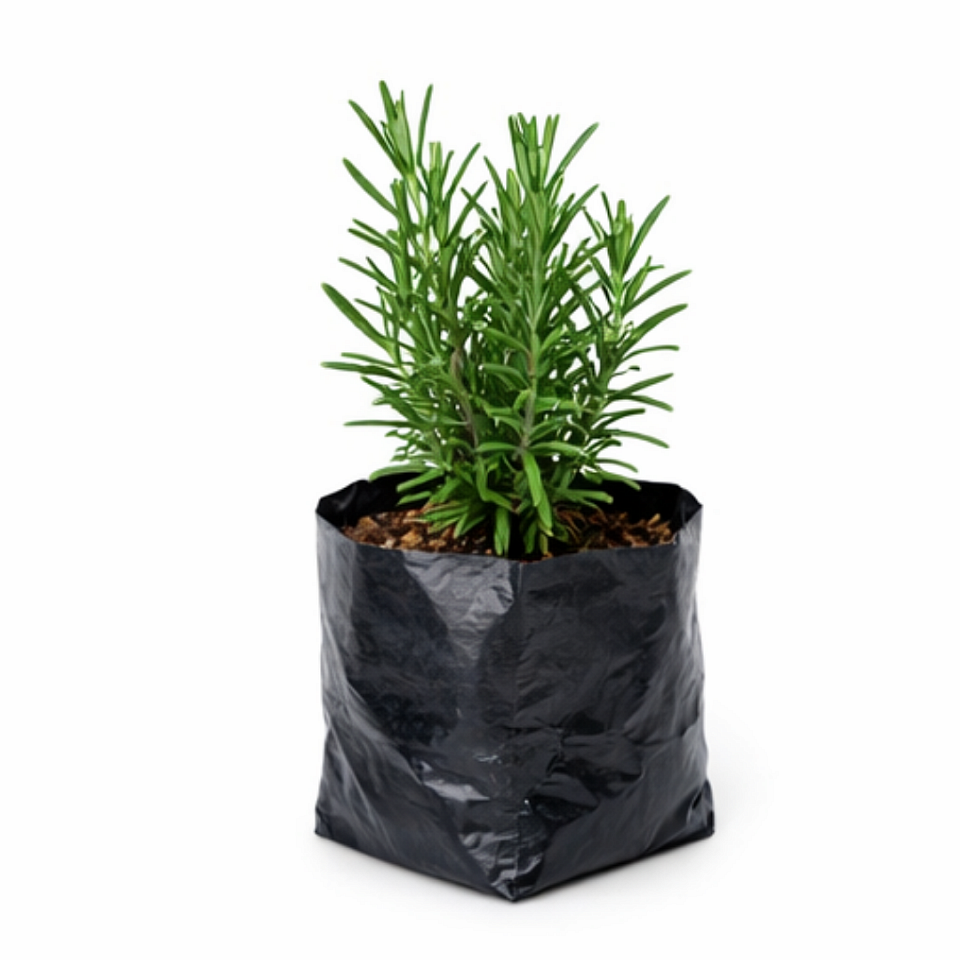
Rosemary Plant
Rosemary thrives in full sunlight and gritty, well-draining soil that mimics its Mediterranean roots.
Water sparingly only when the soil is completely dry to avoid root rot from excess moisture.
Frequent harvesting of the leafy tips encourages a bushier shape and prevents the stems from becoming overly woody.
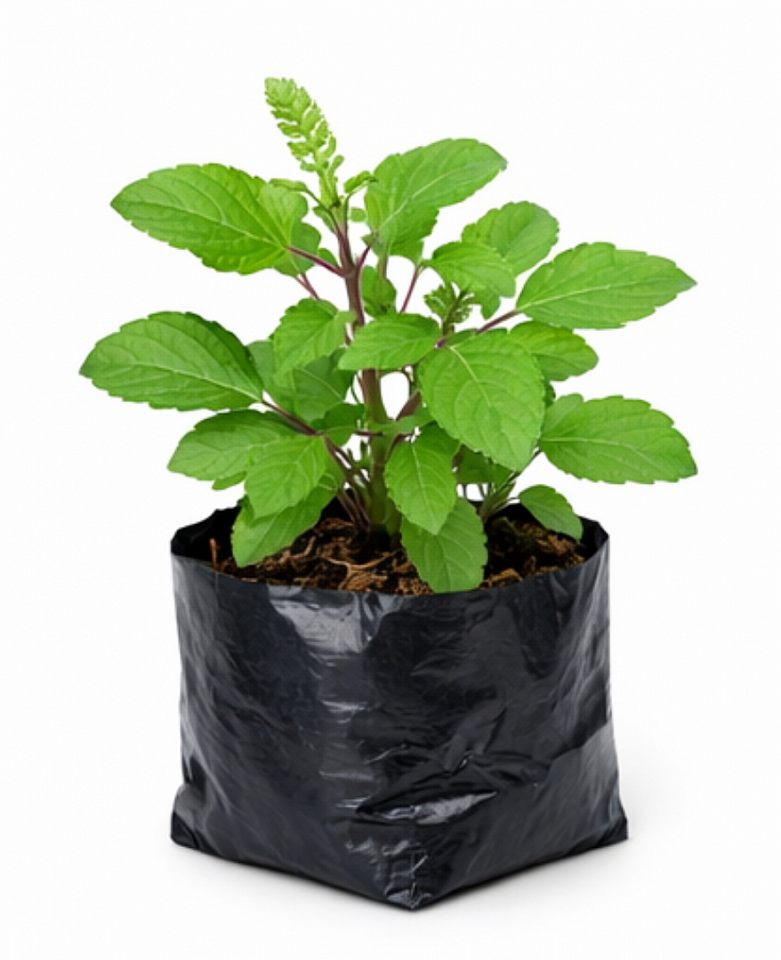
Tulsi Plant
Vastu Compliant plant.
To keep your Tulsi plant thriving, place it in a bright location where it can receive at least six to eight hours of direct sunlight daily. You should water the plant only when the top inch of soil feels dry, ensuring the container has excellent drainage to prevent any waterlogging. Finally, regularly pinch off the flowering tops and upper leaves to encourage a bushier growth habit and prevent the stems from becoming too woody.
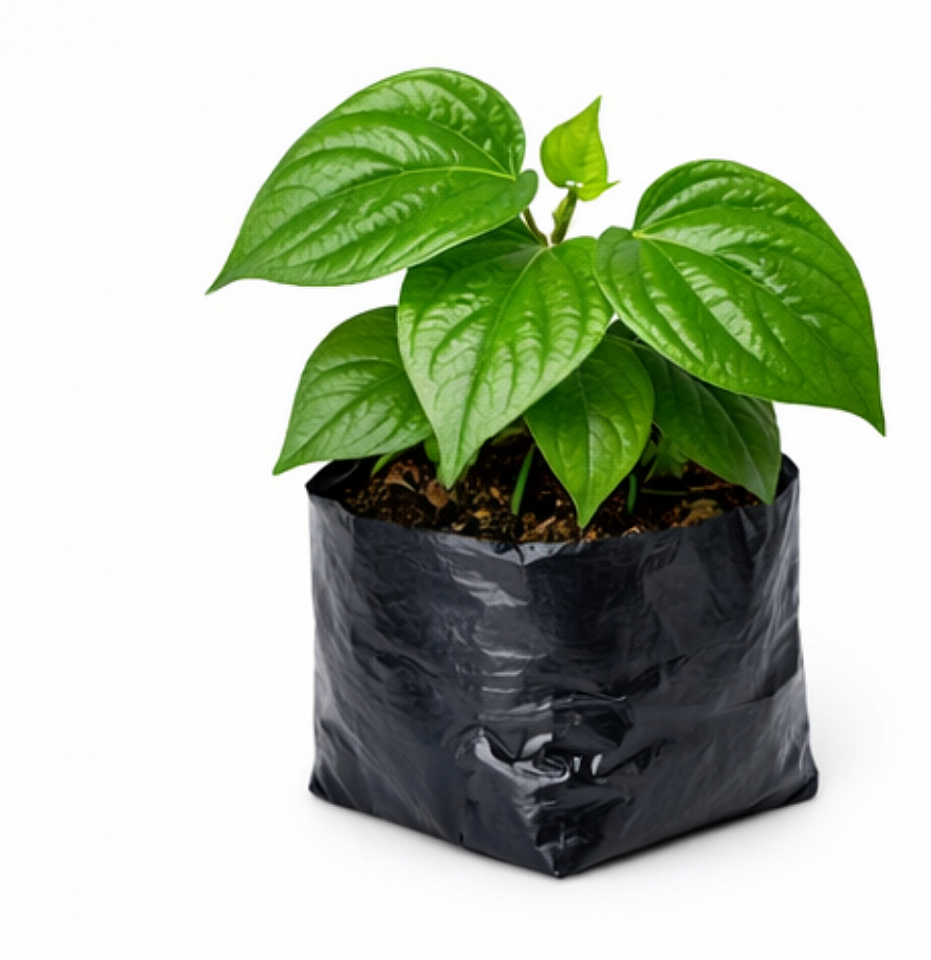
Betel leave-Magai Plant
Vastu Compliant plant.
To help your Betel plant flourish, place it in a spot with bright, filtered sunlight rather than direct exposure, which can easily scorch its heart-shaped leaves. Maintain a consistent watering schedule to keep the soil moist but never waterlogged, as this tropical vine thrives in high humidity and well-draining soil. Since it is a natural climber, providing a moss pole or trellis for support will encourage larger leaf growth and keep the plant vigorous.

Banana Plant
Vastu Compliant plant.
To ensure your Banana plant thrives, place it in a location that receives at least six to eight hours of direct sunlight daily and provide protection from strong winds that can shred its large leaves. These heavy feeders require deep, regular watering to keep the soil consistently moist, along with a high-potassium fertilizer applied during the growing season to support their rapid development. Finally, ensure the plant is housed in well-draining, rich soil and maintain high humidity levels to mimic its natural tropical environment and prevent leaf browning.
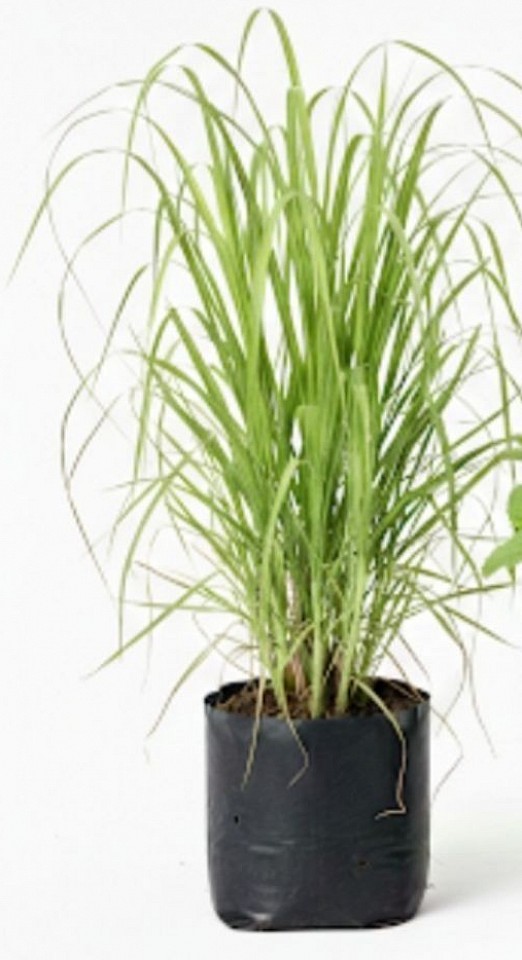
Lemon grass plant
Vastu Compliant plant.
To help your Lemongrass flourish, plant it in a location that receives full, direct sun for at least six hours a day and ensure it has plenty of space to spread. Keep the soil consistently moist by watering regularly, as this tropical grass is thirsty and does not tolerate prolonged drought well. To sustain its rapid growth, use a nitrogen-rich fertilizer once a month during the summer and trim back any dead, brown stalks to keep the plant looking tidy.
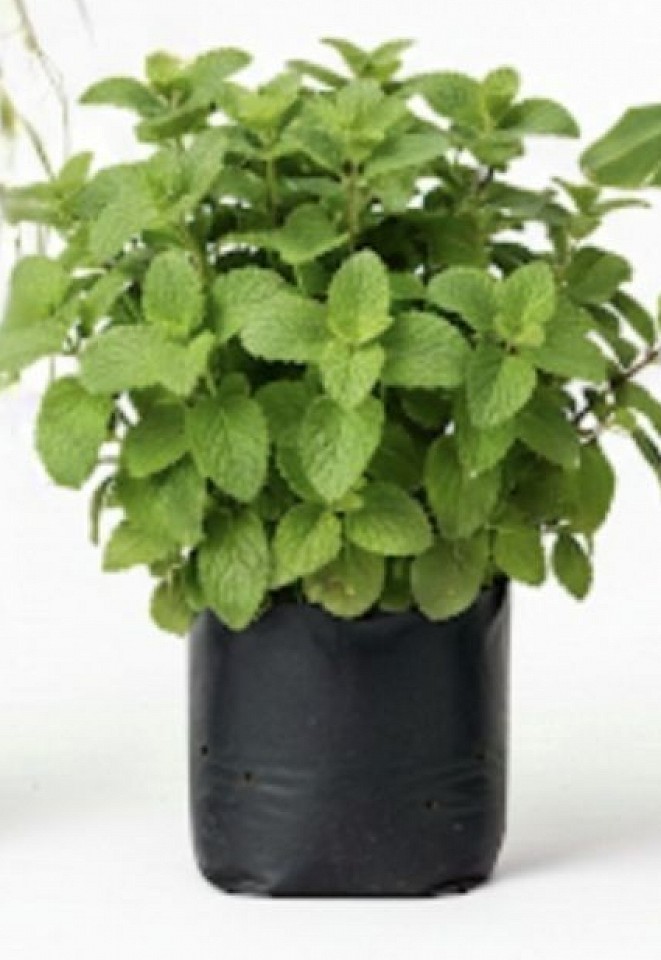
Mexican Mint-Ajwain plant
To grow a healthy Ajwain plant (Mexican Mint), place it in a spot that receives partial shade to bright indirect sunlight, as intense afternoon sun can sometimes burn its fleshy, succulent leaves. Since this plant is drought-tolerant and prone to root rot, water it only when the soil has dried out completely, ensuring you use a pot with excellent drainage. To maintain a compact and bushy shape, regularly prune the stems and pinch off the tips, which you can easily replant to start new growth.
Flowering plants need proper sunlight,do spray once in 15 days neem spray to protect it from pest attack.
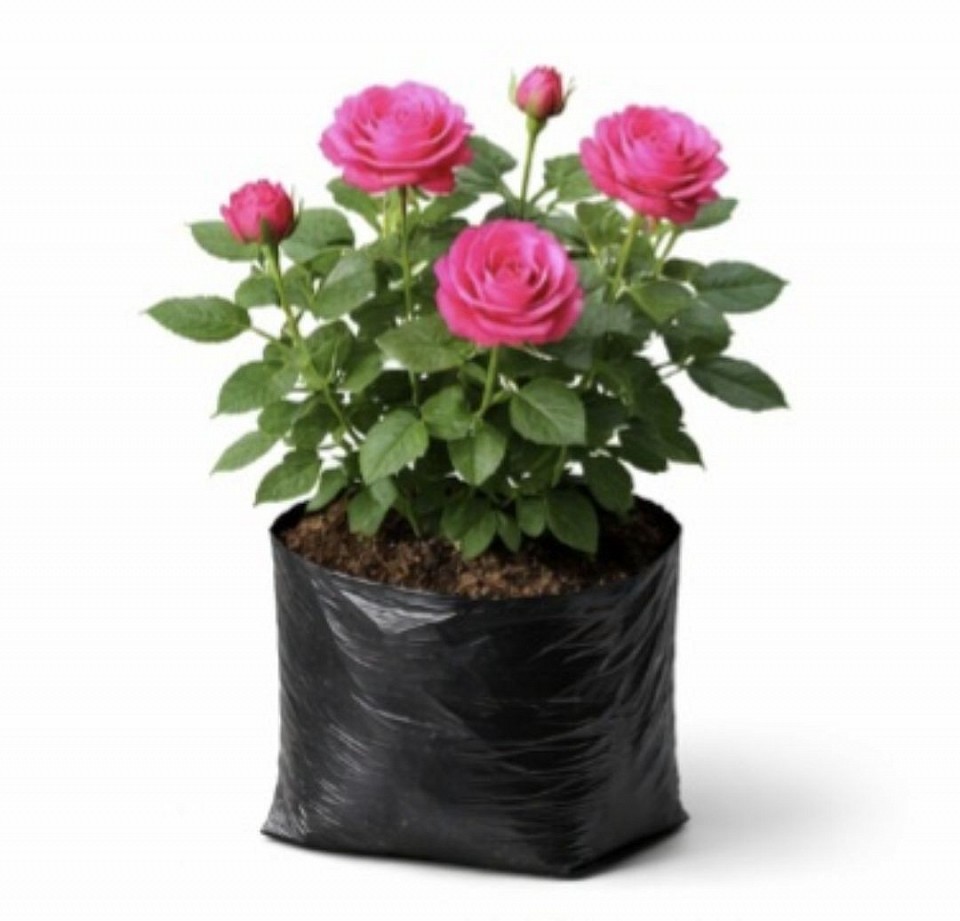
Rose plant
Vastu Compliant plant.
To help your rose bushes thrive, plant them in a location that receives at least six hours of direct sunlight daily to ensure vibrant blooms and strong stems. Water the plants deeply at the base to keep the soil moist while keeping the foliage dry, as this helps prevent common fungal diseases like black spot or powdery mildew. Finally, apply a balanced fertilizer during the growing season and prune away dead or crossing canes in early spring to encourage new growth and better air circulation.
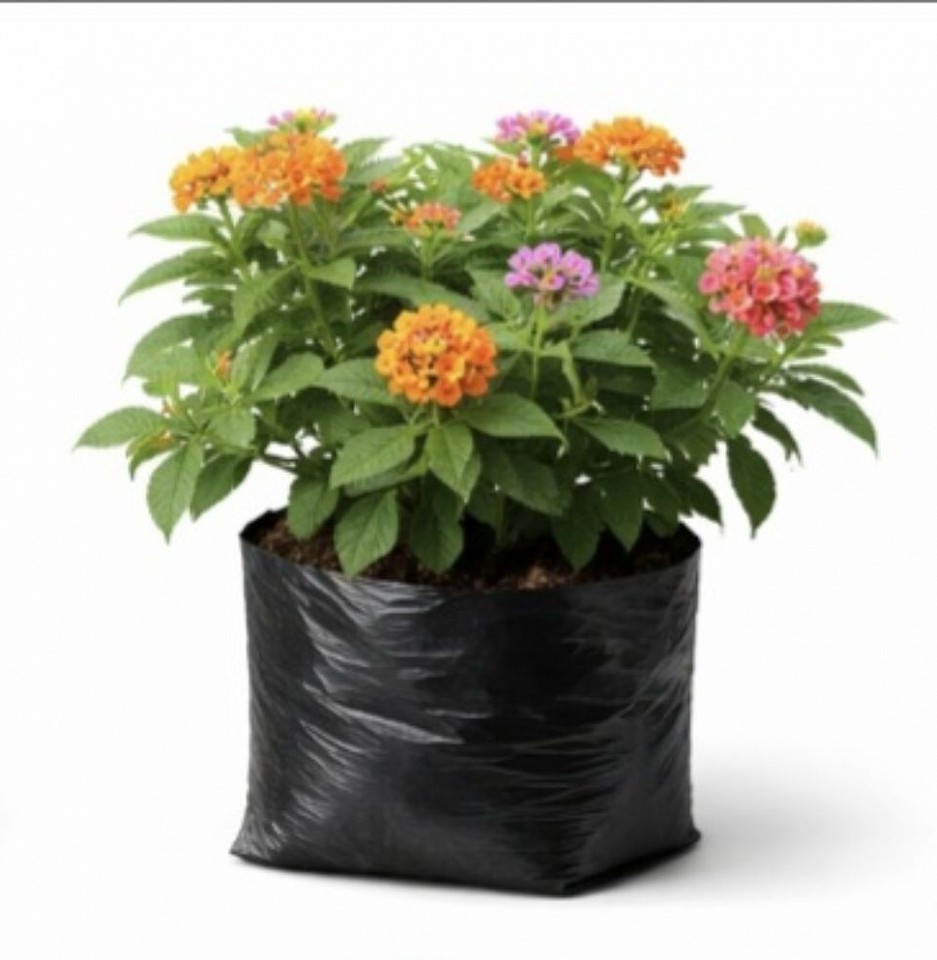
Lantana
Lantana grows best in full, strong sunlight and is highly heat and drought tolerant. It prefers well-drained soil and requires low to moderate watering, as overwatering can reduce flowering. Regular pruning helps control its spread and promotes continuous blooming.
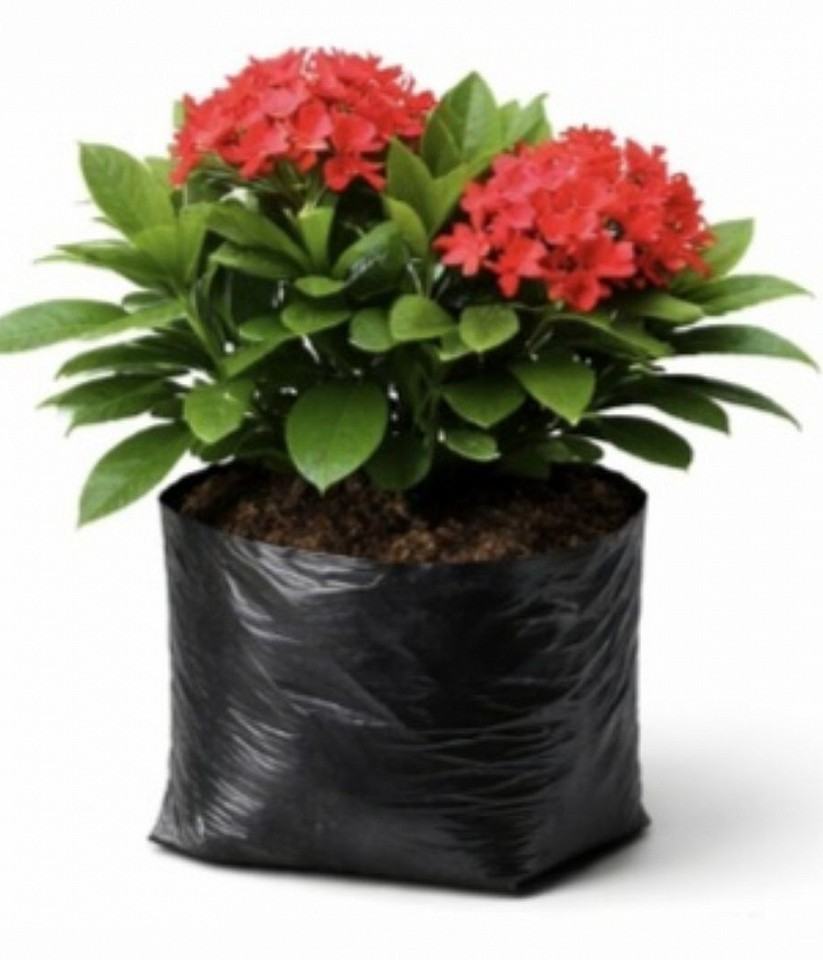
Ixora
Ixora thrives in full sunlight to partial shade and requires slightly acidic, well-drained soil for proper growth. It needs consistent watering to keep the soil evenly moist, especially during flowering season. Feeding with an acidic or phosphorus-rich fertilizer helps improve blooming.
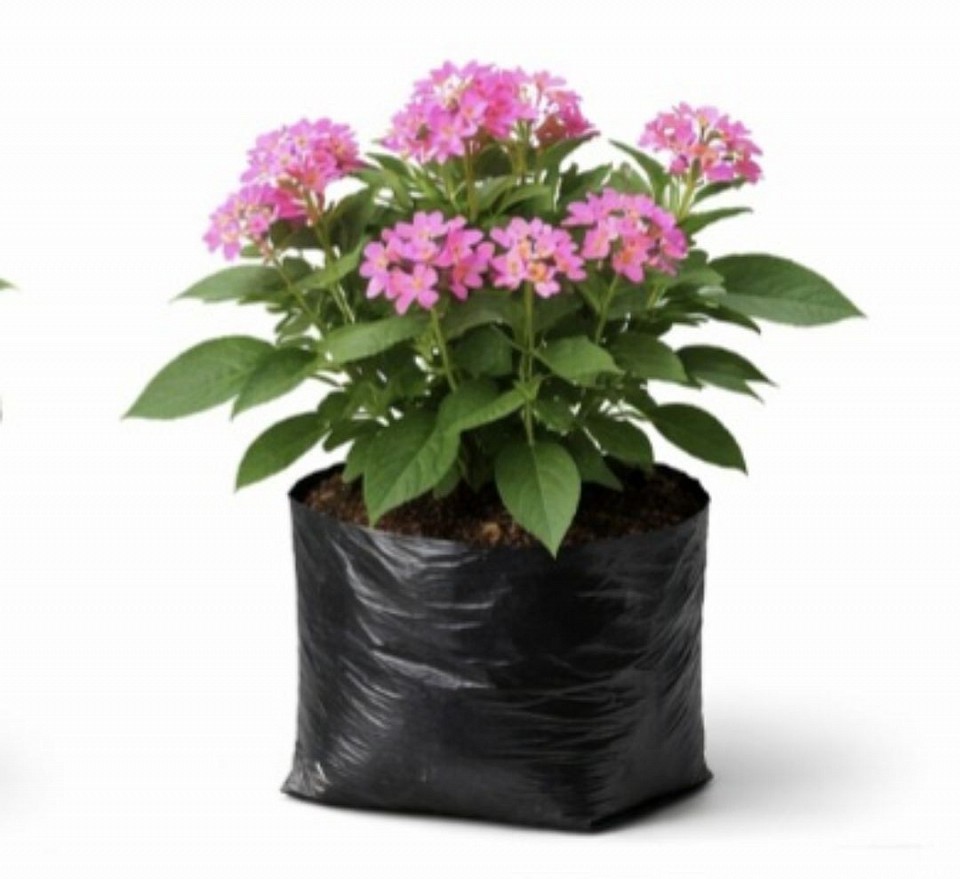
Pentas
Pentas plants grow best in full sunlight and need at least 5–6 hours of direct sun to produce abundant flowers. They prefer well-drained soil and moderate watering, allowing the topsoil to dry slightly between watering. Regular deadheading and occasional fertilizing encourage continuous blooming and healthy, bushy growth.
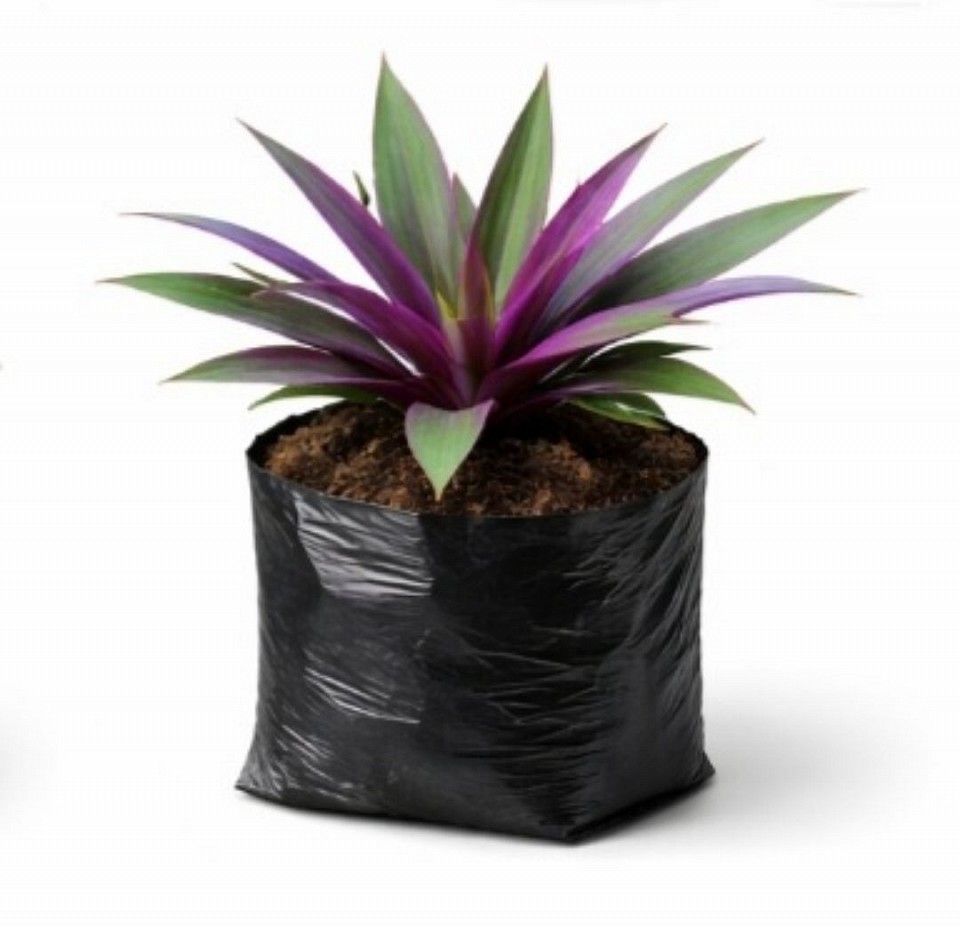
Boat lily
Boat Lily (Tradescantia spathacea / Rhoeo) prefers bright indirect light but can tolerate some direct morning sun; harsh afternoon sun may burn leaves. It requires well-drained soil and low to moderate watering, as the plant is drought tolerant and prone to root rot if overwatered. It grows best in warm climates, needs minimal fertilization, and spreads easily through division of side shoots.
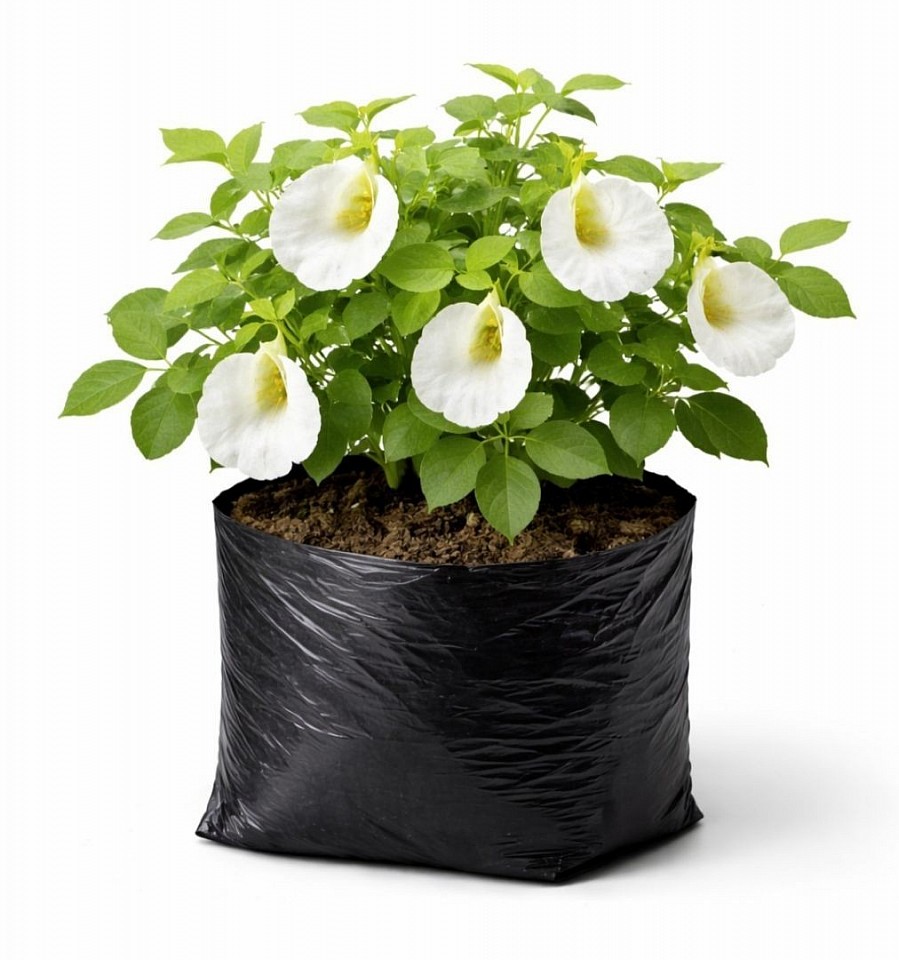
Aparajita
Vastu Compliant plant.
Aparajita is a fast-growing climber that thrives in full sunlight and needs support like a trellis or fence to grow well. It prefers well-drained soil and moderate watering, allowing the topsoil to dry slightly between watering. Regular pruning encourages bushier growth and more flowering, and the plant is generally hardy and low maintenance.
Outdoor plant need proper sunlight to grow in its natural colour.
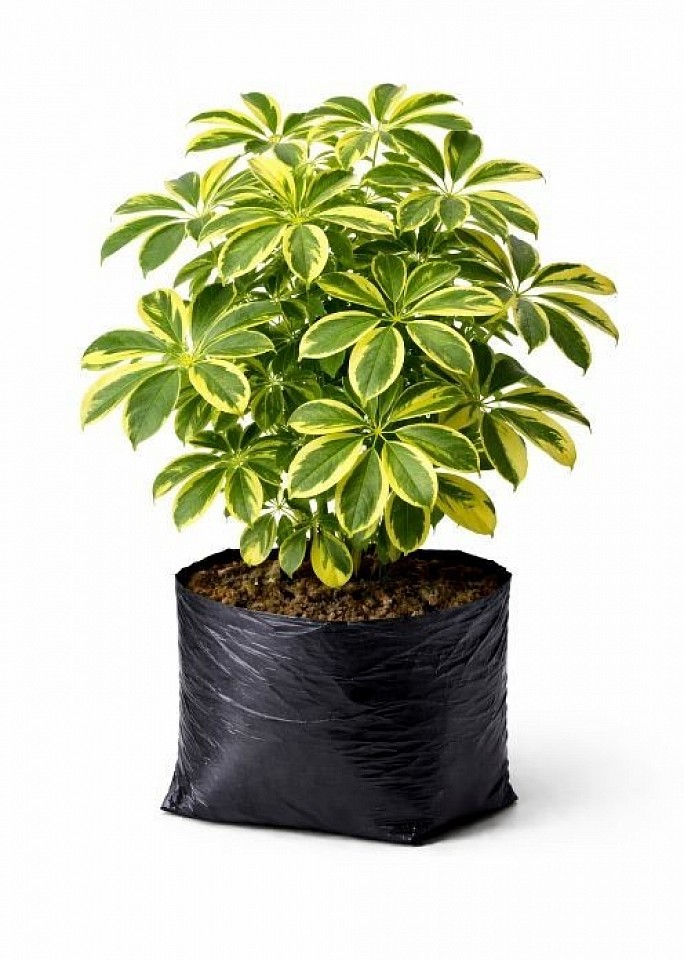
Umbrella plant
Umbrella plants prefer bright, indirect light and may lose variegation or become leggy in low light, while strong direct afternoon sun can scorch leaves. Water only when the top 2–3 cm of soil feels dry, as the plant is sensitive to overwatering and root rot. It grows best in warm temperatures (18–30°C) with average indoor humidity and benefits from light fertilizing during the growing season (spring and summer).
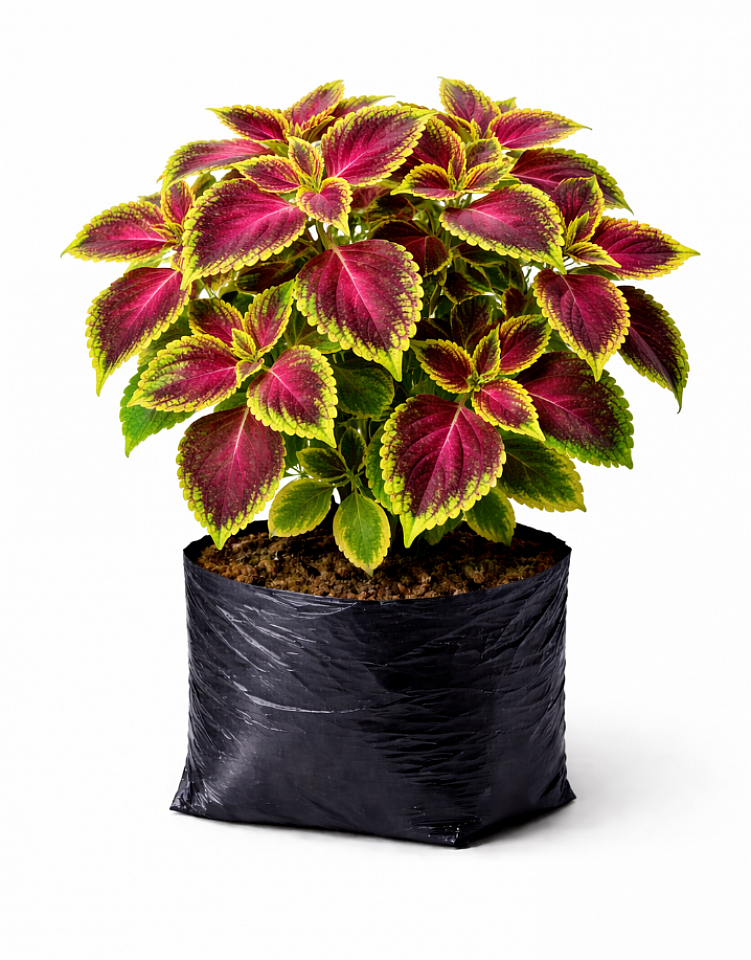
Coleus plant
Coleus grows best in bright indirect light or mild morning sunlight; too much harsh sun can fade or burn its colorful leaves, while very low light reduces leaf vibrancy. It prefers consistently moist but well-drained soil and should not be allowed to dry out completely. Regular pinching or pruning encourages bushier growth and prevents the plant from becoming tall and leggy.
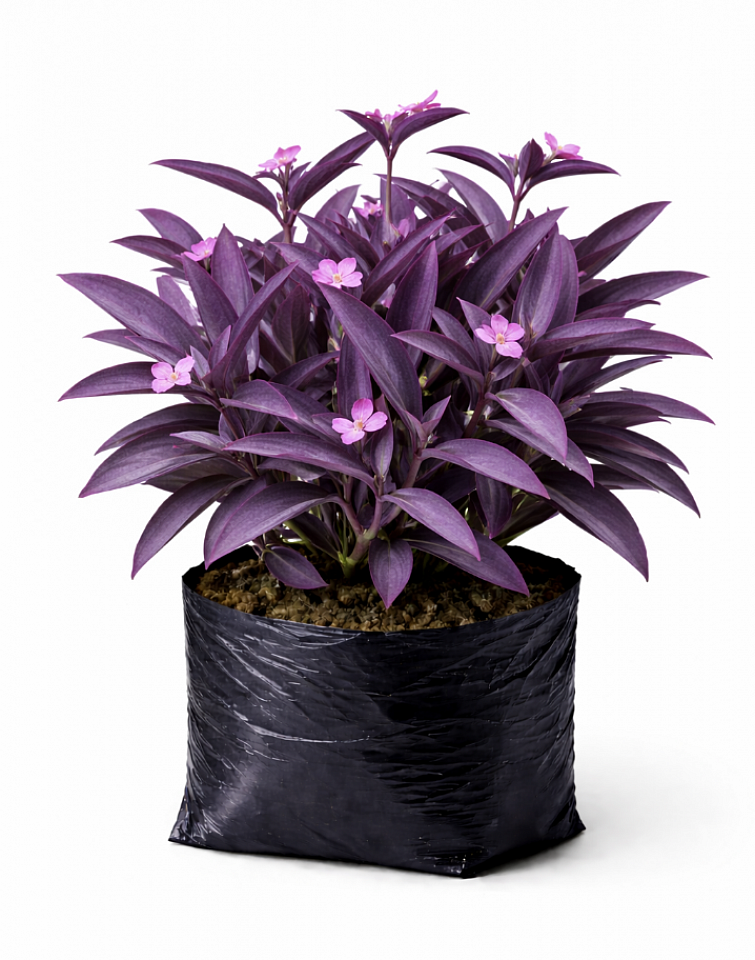
Purple heart plant
Purple Heart grows best in full sun to bright light, which helps maintain its deep purple color; low light makes foliage turn dull green and leggy. It is drought tolerant and should be watered only when the soil dries out, as excess moisture can cause root rot. The plant thrives in warm climates, spreads easily, and benefits from occasional trimming to maintain dense growth.
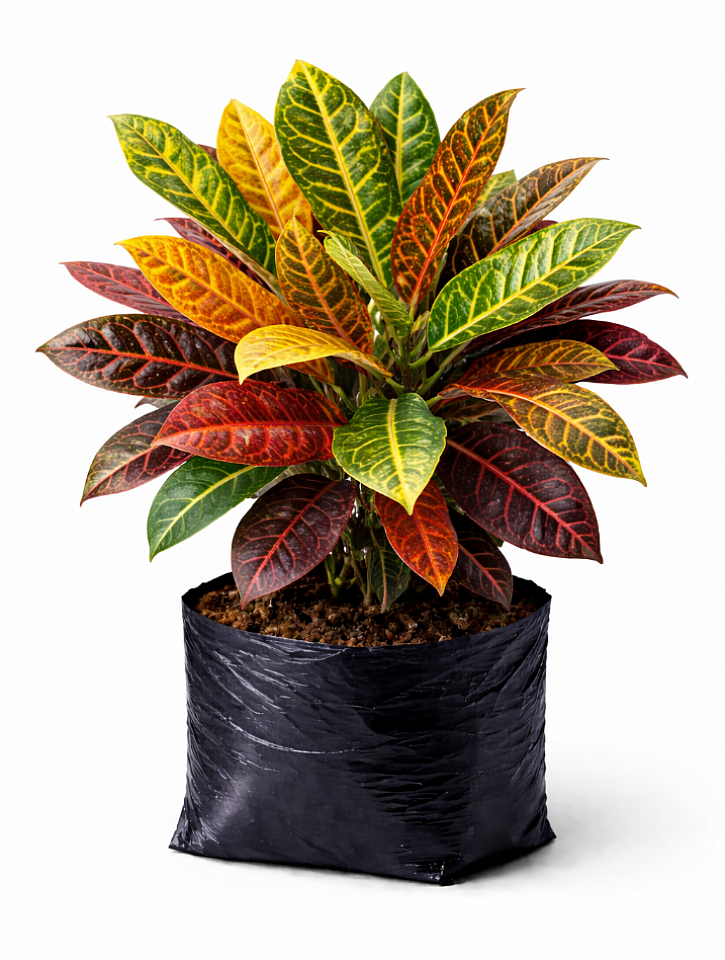
Croton plant
Crotons require bright light to maintain their vibrant multicolored leaves, and they perform best with a few hours of direct or strong filtered sunlight. They need consistently moist but well-drained soil and react quickly to overwatering or underwatering by dropping leaves. Crotons prefer warm temperatures, high humidity, and should be protected from cold drafts and sudden environmental changes.
We sell organic, Farm created Vermicompost, Red soil, & Cocopeat.
Organic vermicompost is a nutrient-rich natural fertilizer produced by earthworms breaking down organic waste. It improves soil structure, enhances microbial activity, and provides essential nutrients like nitrogen, phosphorus, and potassium for healthy plant growth. Regular use helps plants develop stronger roots, greener leaves, and better flowering while keeping the soil eco-friendly and chemical-free.
Red soil is a mineral-rich natural soil known for its good drainage and aeration properties. It contains iron and trace elements that support root development and plant stability. When mixed with compost or organic manure, red soil becomes an excellent base medium for gardening, especially for outdoor plants, flowering species, and trees.
Cocopeat, also known as coco coir, is a lightweight growing medium made from coconut husk fibers. It has excellent water retention and aeration capacity, making it ideal for seed germination, indoor plants, and potting mixes. Cocopeat is eco-friendly, reusable, and helps maintain moisture balance, reducing the risk of overwatering while promoting healthy root growth.
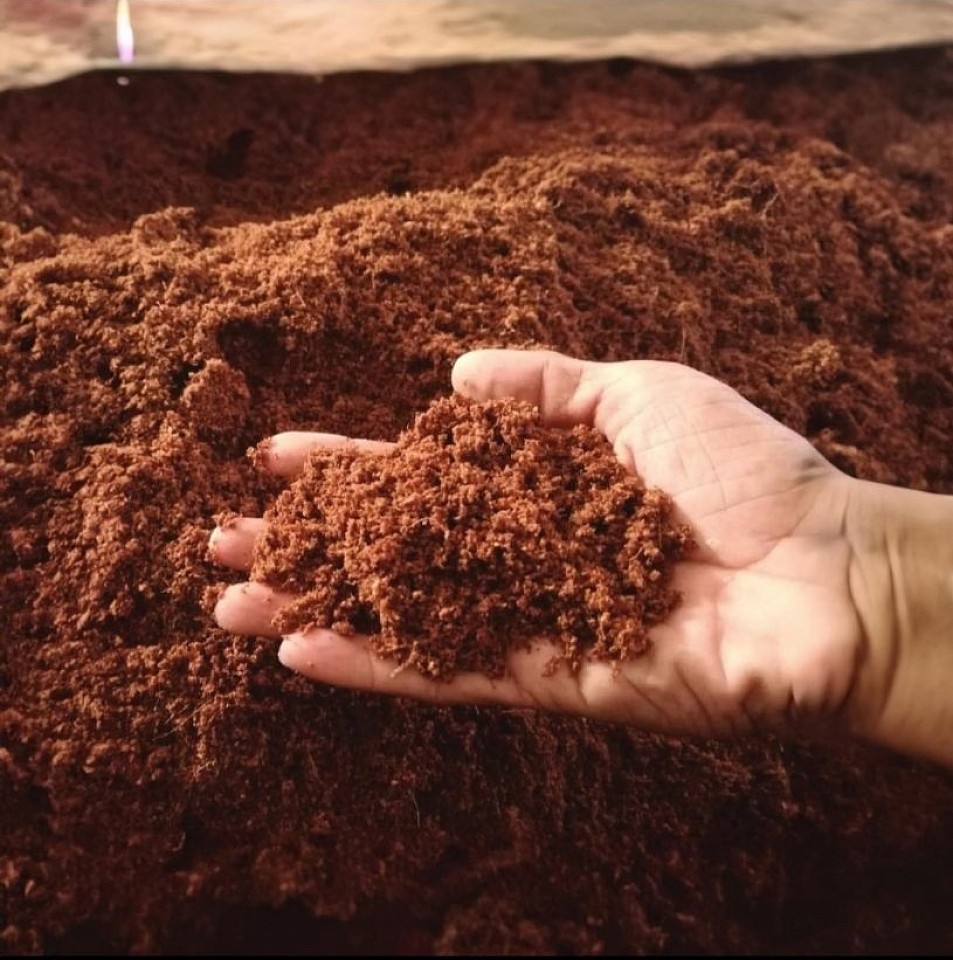
Vermicompost
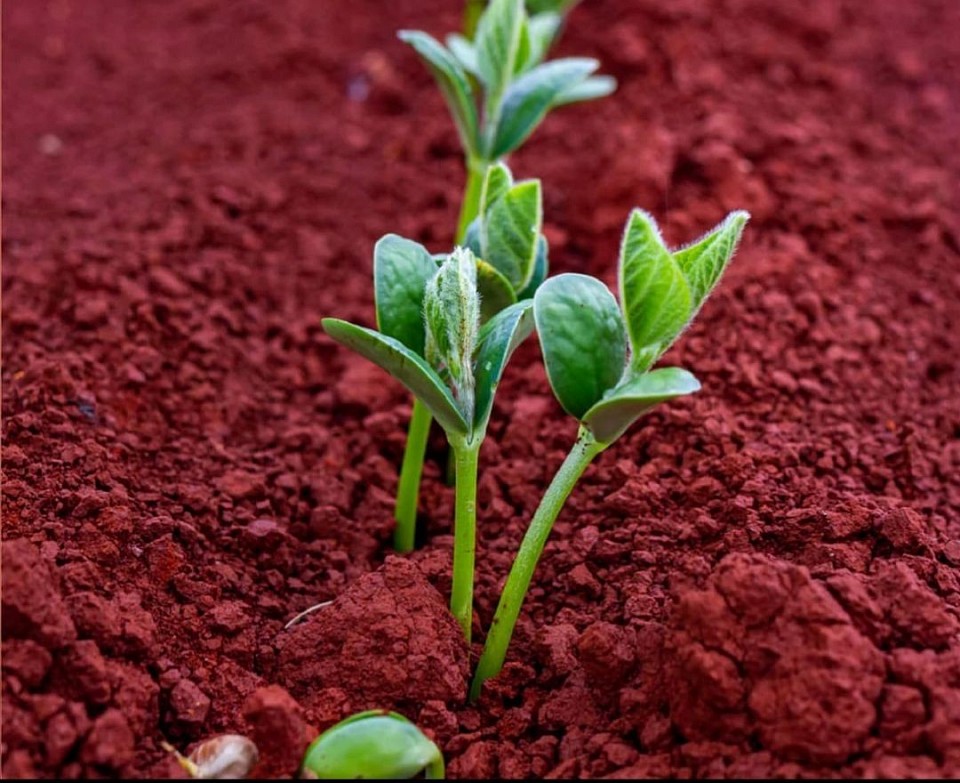
Red soil
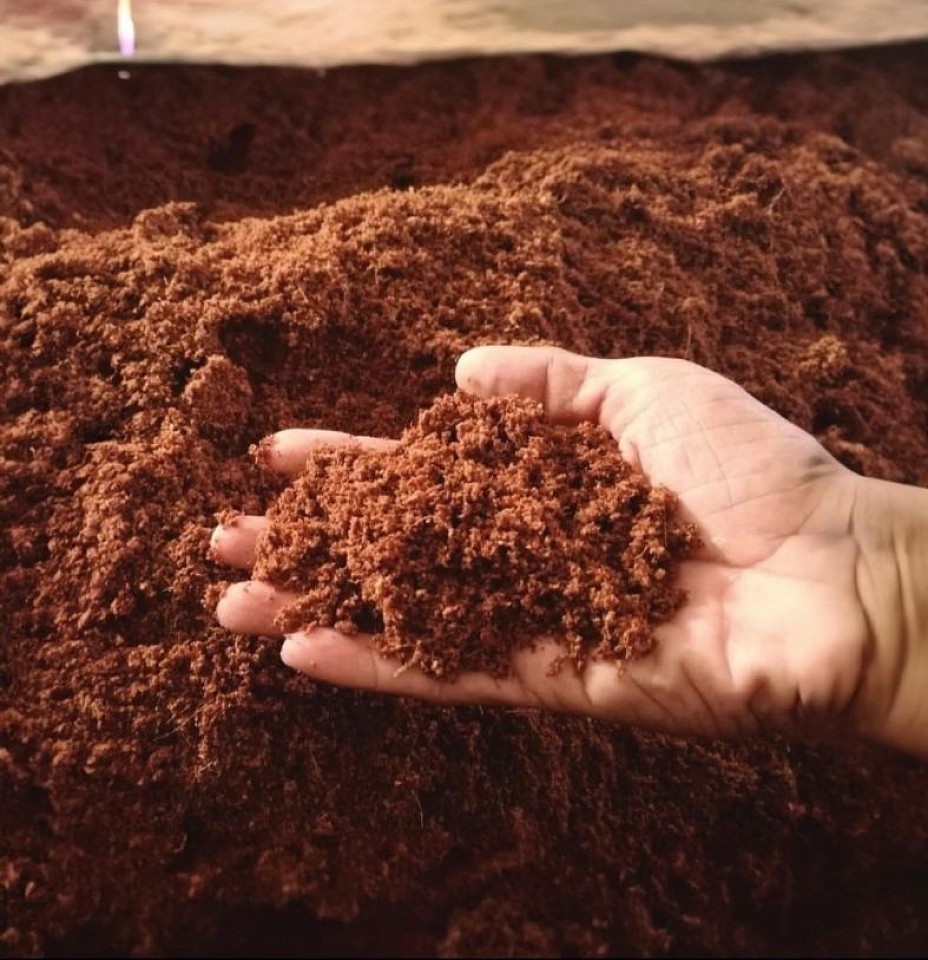
Cocopeat
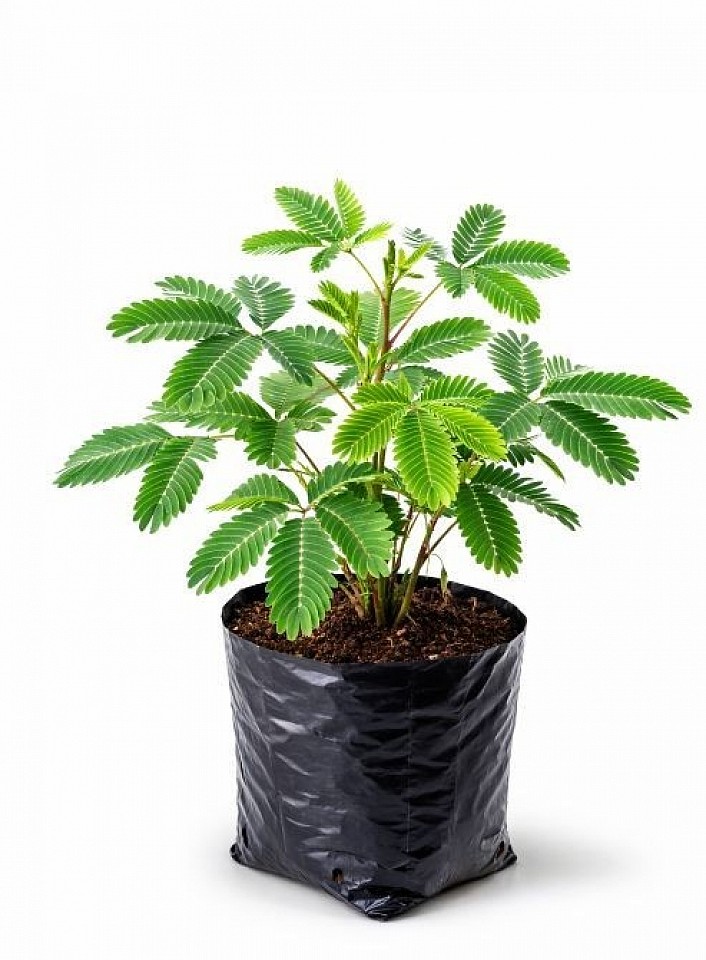
Touch Me Not Plant~ Unique Beauty
Touch-me-not (Mimosa pudica) grows best in bright indirect sunlight with warm temperatures. Keep the soil lightly moist but not soggy, as overwatering can cause root rot. Use well-drained, loose soil for healthy roots. It enjoys humidity, so occasional misting helps. Avoid frequent touching. of leaves to prevent stress. Feed with a mild fertilizer once a month during the growing season.
